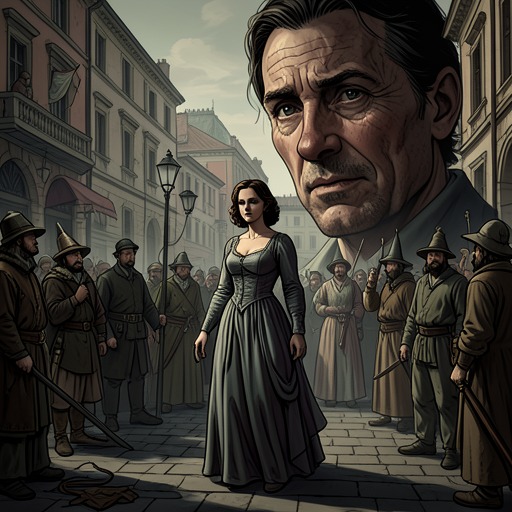
13 March 1992
The Radleys13 March 1992 marks a decisive disclosure in the history of Peter Radley, Helen Radley, and Will Radley: Peter tells his brother that Helen knows he is a vampire, accepts him, and intends to marry him. Their wedding is planned for June, with Helen hoping to be converted on their honeymoon. The date therefore fixes a moment when Peter’s relationship becomes an openly shared commitment, while Will’s concealed jealousy shows how sharply that future divides the brothers.
The Disclosure
The remembered scene takes place against Will’s pattern of seeking out blood after seeing Helen. He had often gone to Manchester to feed, taking advantage of a vampire scene that was beginning to grow there. Against that background, Peter’s news is more than a change in his private life: it makes a lasting human relationship, and the prospect of conversion, part of the brothers’ conversation.
Peter says he has told Helen everything. When Will asks whether that means everything, Peter confirms that she knows who he is and accepts it. He then announces that he and Helen are getting married in June and have set a date at the registry office. The conversation gives the plans definite shape: the marriage is not a vague intention, and conversion is not an abstract possibility, but something Helen wants to consider as part of their honeymoon.
The contrast between the brothers’ responses gives the date its emotional charge. Will feels a powerful urge to hurt Peter, then suppresses it and offers congratulations. Peter believes his brother is pleased for him, even interpreting the marriage as an instance of following Will’s earlier advice. Will’s outward reply conceals the resentment beneath it; the scene’s social ease is therefore at odds with its private hostility.
Blood, Choice, and Family
The exchange also distinguishes inherited identity from chosen transformation. Peter explains elsewhere that the Radleys have been vampires for generations, whereas Helen was converted. Rowan’s question about whether his father was converted brings that difference into focus: Peter’s vampirism belongs to family history, while Helen’s would be a change she actively chooses. The proposed honeymoon conversion thus joins marriage to a transformation that would alter Helen’s status and deepen the bond between her and Peter.
The book’s account of abstention makes that prospect more complicated than a simple wedding plan. Peter describes the family as abstainers who no longer kill or convert people and appear to outsiders to be ordinary human beings. The second edition of The Abstainer’s Handbook warns that blood magnifies cravings rather than satisfying them. Set beside Peter and Helen’s plans, these later-presented details show why conversion carries consequences beyond the ceremony: it concerns a relationship, a bodily change, and entry into a life governed by blood and restraint.
How the Date Resonates Later
The date’s importance becomes clearer through scenes elsewhere in the narrative, though those scenes do not occur on 13 March. Rowan later learns that he was not simply born into the same vampire condition as his father: Peter has always been like this, while Helen was converted. The family’s differing histories make the earlier plan for Helen’s conversion a point of origin for later questions about identity and inheritance.
Blood also recurs as a means of both dependence and intimate connection. Rowan finds a bottle of vampire blood, hides it beneath his bed beside a childhood puppet, and eventually drinks from it after recalling being bullied by Harper. The sequence connects a private act of consumption with distress and relief, while the handbook’s warning offers a stark counterpoint to the immediate appeal. In a separate later crisis, Helen explains that giving Eve blood would make Eve a vampire and could produce powerful feelings toward the person whose blood was used. Rowan ultimately gives Eve his blood to save her, and she recognizes him through a profound new bond. These later developments do not follow directly from the 1992 announcement, but they clarify the weight of the choice Peter and Helen discussed: conversion binds love, identity, and blood together.
Narrative Function
The novel reaches the 1992 scene through recollection, setting the brothers’ earlier relationship beside the family conflicts unfolding in the main timeline. The date supplies a firm point in that past, while the June wedding plan projects a future Will cannot welcome. His response makes the moment a quiet reversal: Peter experiences his news as acceptance and happiness, but for Will it becomes evidence that Helen’s life is moving toward Peter and away from him.
The scene also makes the word everything carry an important tension without resolving it into a simple account of trust. Peter has disclosed his vampire identity and believes Helen accepts him; Will’s response shows that sharing the truth does not settle the emotional rivalry between the brothers. The date remains significant because it records both forms of exposure at once: Helen’s knowledge of Peter’s hidden nature, and the jealousy Will manages to keep out of his spoken congratulations.